
Co-Creating Our City, an initiative led by GMF Cities and d|part and supported by The Gambrell Foundation, took a citizen science approach to examine the mismatch between how young people are expected to engage and how they want to be engaged in local decision-making.
Citizen science research, as a methodology, engages non-scientists in scientific processes, with their participation supported by professional scientists. Members of the public, in partnership with scientists, gather, submit, or analyze data (Bonney 1996), and in doing so help democratize science. Previous data collection activities include bird counting and monitoring air quality using individually deployed sensors. For this project, we adapted citizen science methods to social science—with social scientists designing workshops and facilitating the process—to better understand local government and youth engagement.
Co-Creating Our City took place in both Düsseldorf and Charlotte and centered around research that is driven by the people it affects—young people and city leaders, both of whom are firmly rooted in their communities. These citizen scientists researched ways current engagement is insufficient and could improve, using a somewhat unique form of resident input and ideation.
City government officials and young people brought different types of expertise to the table throughout the in-depth process. They came away with a better understanding of each other’s interests and motivations, as well as potential gaps in communication and engagement opportunities.
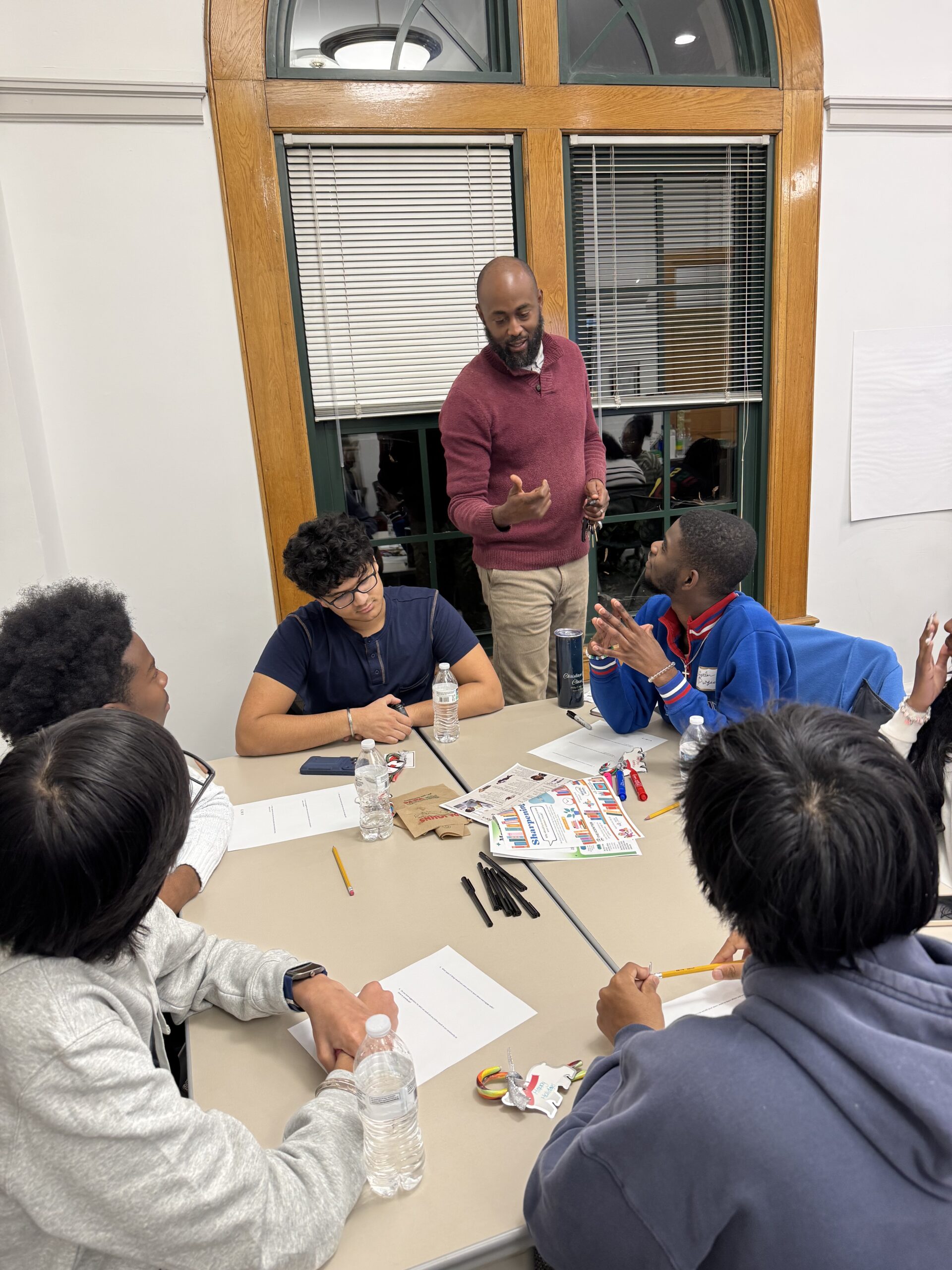
Co-Creating Our City centered around a set of workshops. The teams met several times as they proceeded through a research design process to better understand existing gaps, select data collection methodologies, collect data, interpret information and ultimately identify specific potential solutions for implementation. The project setup involved the hiring and orientation of a local workshop leader who could implement the process, and the identification of both diverse student participants, in partnership with local youth organizations, and city participants, thus building buy-in over time. A broader public engagement opportunity to present findings and solicit additional input and suggestions for potential solutions occurred in June 2025.
As with any project—particularly pilots—challenges are inevitable. The workshops were scheduled on a mix of weekends and evenings to accommodate schedules of city employees and youth, who are, unsurprisingly, available at certain times during the school year. The second major challenge involved working with young people under 18 and navigating the required consent forms and permissions needed both for project participants and for the study population. This restriction is one of the reasons cities and other governmental entities avoid targeting young people in their surveys. However, this limits the ability to know attitudes and preferences for those under 18.
Youth and city employees learn together and from each other through applied research methods while the city demonstrates its commitment to youth, data collection, and public opinion research. It provides a unique opportunity for city officials and youth to exchange ideas in an open monthly forum while working together toward a common goal. Citizen science is directed by the concerns of the citizen scientists themselves, so discoveries can be made on any number of issues that are important to the community, such as effective forms of communication with youth, or interest in engagement with specific events or departments. Finally, it is inclusive of non-voters, those under 18, and non-citizens.
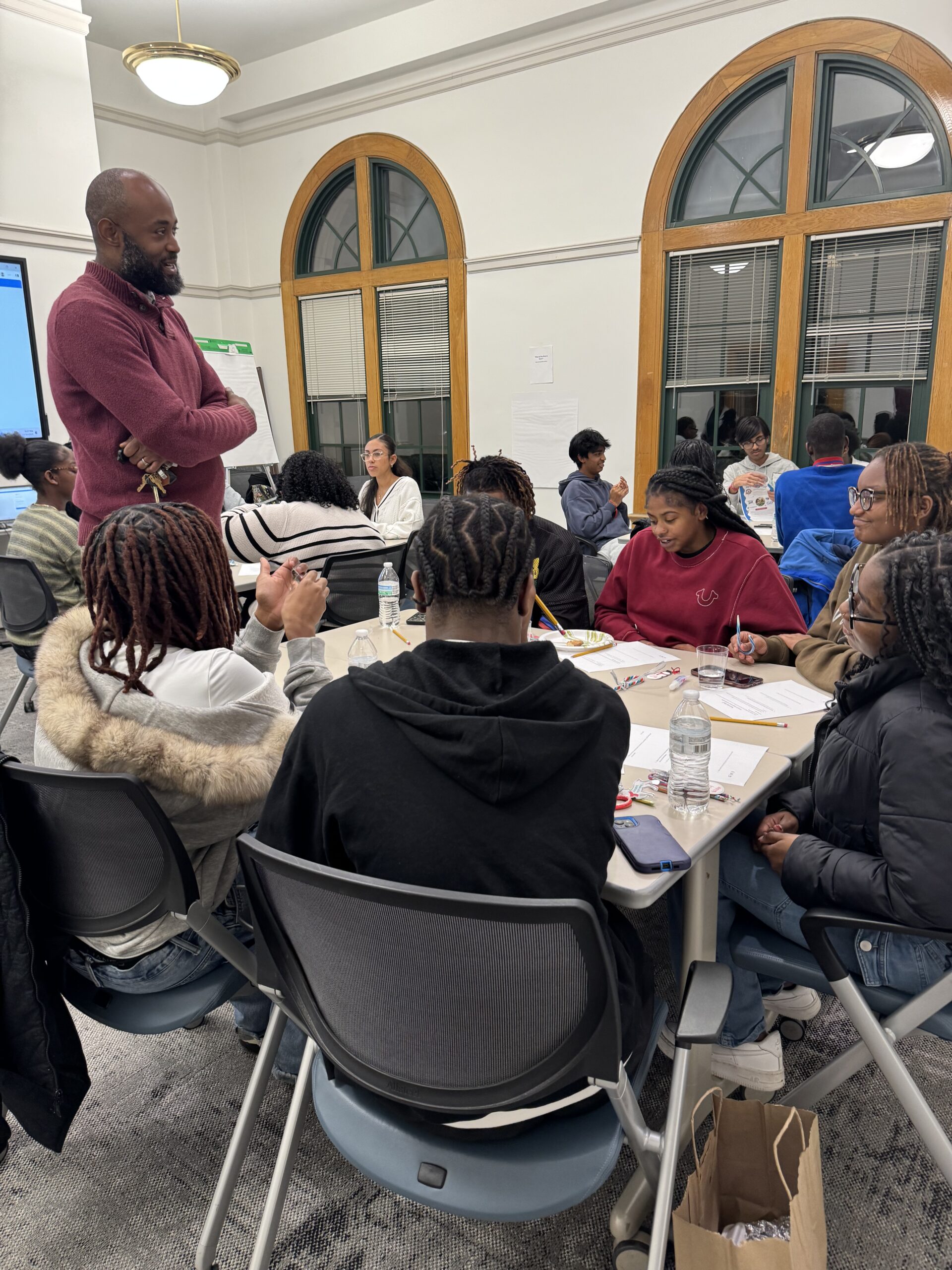
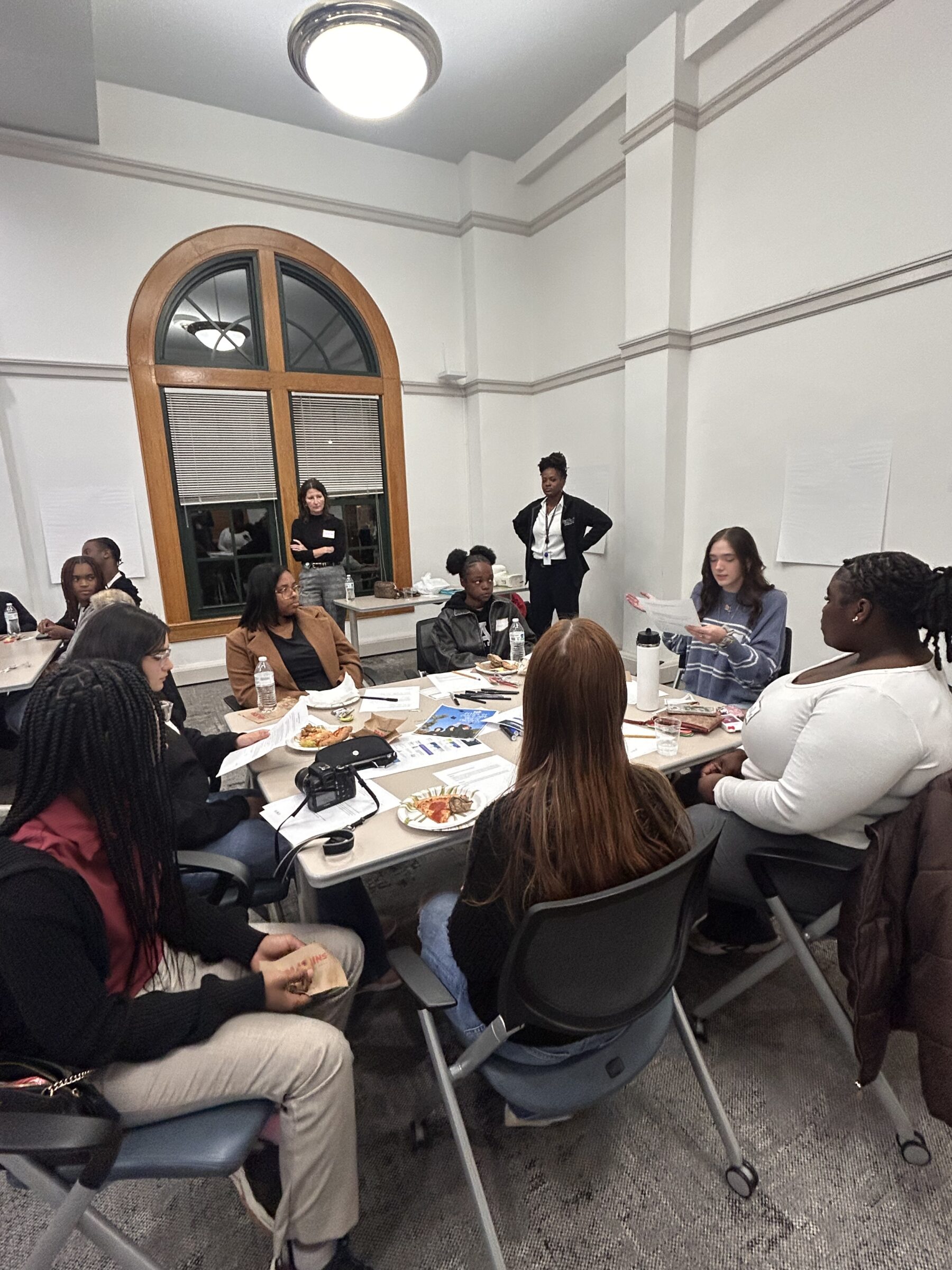
The method gave city officials meaningful insights into how young people view their future in the city, while also helping young people develop a stronger voice and deeper understanding of local government. As co-researchers, young people were able to strengthen their sense of purpose and envision what a good life in the city could look like.
Ultimately, this pilot effort is an exercise in empowerment and increased belonging, focused on creating more inclusive communities that bring more young voices—including those from marginalized groups—into the thinking and planning of cities, with an eye towards building thriving places for future generations.
To learn more about the process, please go to cocreatingourcity.org.