
The Library
We are relentless readers. Explore the books that have expanded our thinking.
Awe (opens in a new tab)
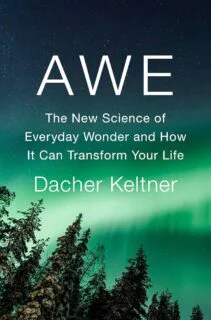
Psychologist and professor, Keltner explains what awe is, what causes it, and how it can make us healthier and kinder. It's a simple, moving reminder that small moments of wonder can fuel a bigger, more generous life.
Deficit (opens in a new tab)
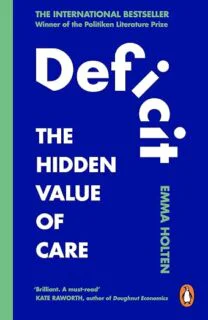
A Danish economist argues that care work, like raising kids or caring for the sick, is undervalued by how we measure the economy. She offers a new way to think about what truly creates value in people's lives.
Everything Happens for a Reason (opens in a new tab)
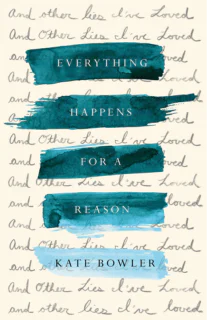
Bowler's memoir about being diagnosed with stage IV cancer at 35, and learning to reject easy answers about why bad things happen. It's honest, funny, and moving, and it makes room for hope grounded in real life, the lows and plateaus included.
House with the Heads: A Monument to Free Thinking. The Big Bang in the Low Countries (opens in a new tab)
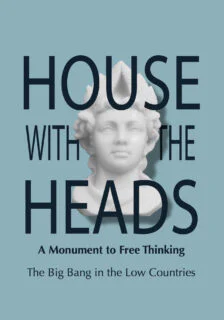
This book is not only for visitors to the exhibition. It is for anyone curious about the history of Amsterdam, the origins of Dutch tolerance, the rise of global trade, or the intellectual networks that shaped early modern Europe. It will appeal to readers interested in art, architecture, philosophy, and the cultural forces behind the Dutch Golden Age, as well as to those who simply wish to understand how one house could stand at the crossroads of ideas that changed the world.
How to Fall in Love with Questions (opens in a new tab)
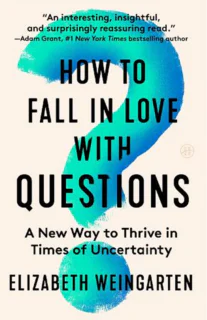
This book teaches how to sit with uncertainty instead of rushing to find quick answers. A genuinely useful skill for anyone making big, long-term decisions.
How to Know a Person (opens in a new tab)
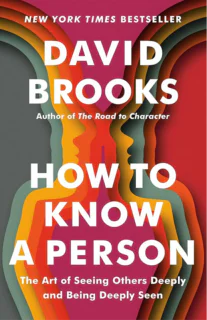
Brooks makes the case that truly seeing and understanding other people is a skill we can all learn, and a skill the world needs more of. He offers practical ways to listen better and connect more deeply, which feels right at home on a list built around helping people live better lives.
Humankind (opens in a new tab)
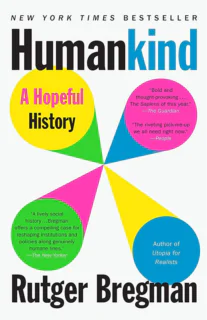
Bregman makes the case that most people are fundamentally good. He argues that believing this isn't naive, it's the key to building better systems and a kinder society.
Joyful, Anyway (opens in a new tab)
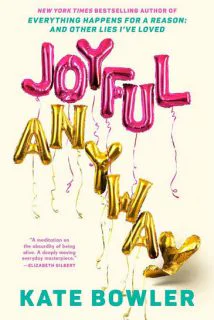
A short, honest collection of reflections on finding joy even when it seems impossible. An academic and historian, Bowler has a warm voice that tends to resonate deeply with readers.
Meditations for Mortals (opens in a new tab)
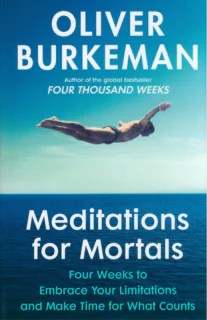
A month of short, daily reflections on letting go of the pressure to do everything perfectly. It's an easy, low-lift read that's good for a busy stretch on the calendar, and a nice nudge toward doing fewer things well instead of everything at once.
Moral Ambition (opens in a new tab)
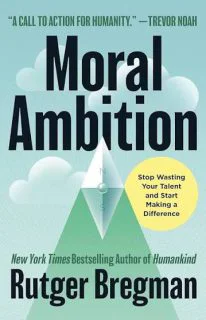
Bregman challenges talented people to stop chasing status and start solving real problems with their careers. It's part inspiration, part practical guide for turning good intentions into real impact. A must read.
Of Boys and Men (opens in a new tab)
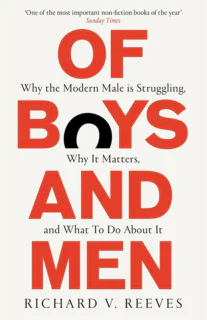
Reeves takes a clear-eyed look at how boys and men are doing in school, work, and family life today, and where the systems around them haven't kept pace. He offers real, practical fixes instead of just pointing out the problem, which makes this a useful read for anyone thinking about how to help the next generation thrive.
On Freedom (opens in a new tab)
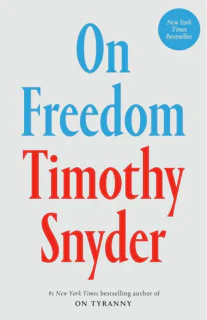
A historian argues that real freedom isn't just being left alone. It's something we build together, through strong communities and shared institutions. A thoughtful read for anyone who cares about building healthier, more connected societies.
Ours Was the Shining Future (opens in a new tab)
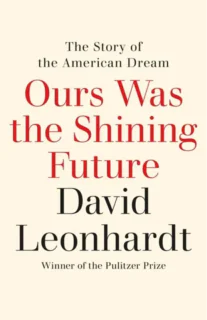
A journalist traces how the American Dream rose, then slowly broke down over the last century. It's a clear look at how inequality took hold, and useful context for anyone thinking about how to help restore real opportunity for people.
The Amazing Generation: Your Guide to Fun and Freedom in a Screen-Filled World (opens in a new tab)
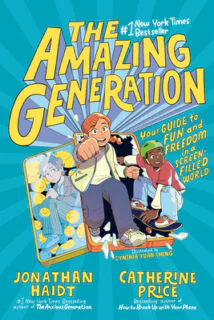
A middle-grade companion to Jonathan Haidt’s The Anxious Generation, this book speaks directly to kids ages 9–12 about how to reclaim their attention and build a fuller life beyond screens and social media. Co-written with Catherine Price and illustrated in graphic novel format, it’s equal parts wake-up call and practical playbook — giving tweens the tools and confidence to grow into who they actually are.
The Anxious Generation (opens in a new tab)
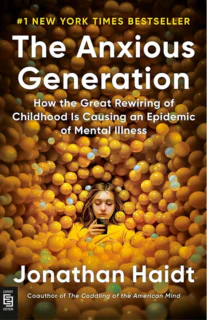
Haidt explains how smartphones and social media have reshaped childhood and fueled a mental health crisis among young people. He also offers real, practical ways parents, schools, and communities can fix it.
The Courage to Be Disliked (opens in a new tab)
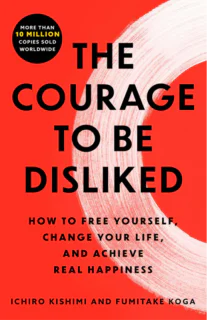
Written as a conversation between a philosopher and a student, this book explains how to stop living for other people's approval. Not only is it popular on #BookTok, but it's short, simple, and a great discussion-starter on what it really means to live freely.
The Dawn of Everything (opens in a new tab)
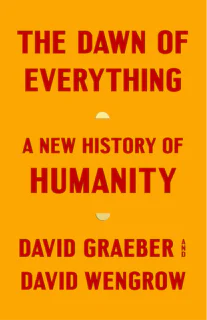
A big rethink of early human history, showing that our ancestors tried out many different ways of living together, not just one path toward hierarchy. It's a hopeful reminder that the way things are now isn't the only way they could be, and that better systems are always possible.
The Good Life (opens in a new tab)
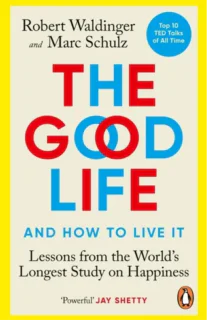
The director of Harvard's 80-year happiness study, Waldinger shares what actually makes a life feel good: strong relationships, more than anything else. It's simple, well-proven, and a great reminder of what really matters.
The Happiness Hypothesis (opens in a new tab)
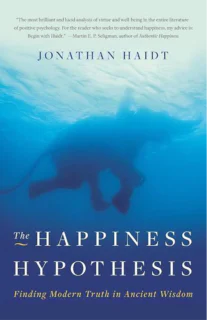
Haidt tests old wisdom from philosophy and religion against modern psychology to see what actually helps people live well. It's a thoughtful gut-check on which age-old advice holds up, and which ideas about happiness we should let go of.
The Little Book of Hygge (opens in a new tab)
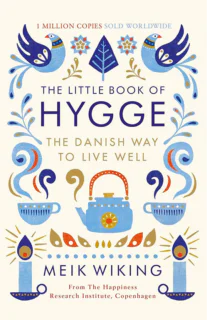
Written by the head of Denmark's Happiness Research Institute, this book explores the Danish idea of coziness and contentment. It's a light, fun read, and a nice reminder that small, simple comforts can go a long way toward a good life.
The Nordic Secret (opens in a new tab)

This book explains the education tradition behind Scandinavia's success, and argues that personal growth, not just good policy, is what built these strong societies. It's a compelling look at how investing in people's inner lives can lead to real, lasting change at a societal level.
The Nordic Theory of Everything (opens in a new tab)
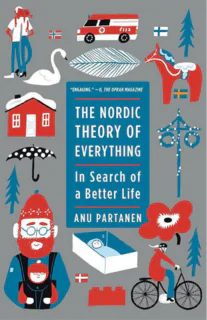
Partanen, a Finn who moved to the United States, compares the two systems from the inside. Her argument inverts the usual one: the Nordic welfare state is not a brake on individualism but its precondition, freeing people from dependence on family and employer. Reported, personal, and pointed.
The Random Factor (opens in a new tab)
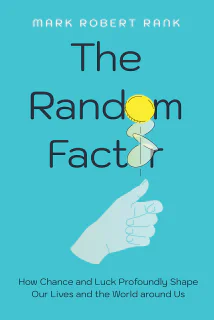
A sociologist shows how much luck shapes people's lives, more than we usually want to admit. It's a quiet but powerful case for more empathy and generosity toward people who've had less luck than others.
Your Brain on Art (opens in a new tab)
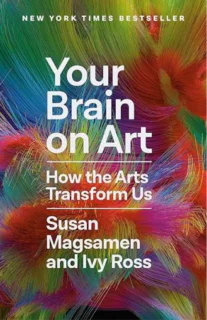
This book looks at the new science behind how art and creativity change our brains and bodies for the better. Art and culture genuinely improve people's lives, and this book proves that.