
This fall, I had the pleasure of joining The Gambrell Expedition to Helsinki and later hosting the group in my adopted hometown of Copenhagen.
I arrived in Helsinki from Copenhagen excited, unsure of what to expect, yet (naively) assuming a certain familiarity. I expected it to be another version of a place I already know. The neighboring Nordic capital is known to me for many of the same reasons I treasure Copenhagen—a world-class education system, a widespread cultural appreciation for design, and a strong commitment to the welfare state.
Having previously hosted a Gambrell expedition in Copenhagen and attended the Charlotte Convening, I was delighted to see many familiar faces and eager to meet new ones. I thought I had a sense of this group: sharp, kind, curious people. And I wasn’t wrong. But it didn’t take long for my perceptions of both the place and the people to begin to expand.
As we began our time in Helsinki, we left the city and traveled into the forest, where we were introduced to sisu: the famously untranslatable Finnish concept often described as resilience, but perhaps better understood as a kind of gentle strength. Something quieter and steadier than white-knuckling it through. A commitment to keep going.
As the afternoon unfolded, I listened to personal reflections, thoughtful questions, and inspiring musings. I became acutely aware of how much there was to learn—not just about Helsinki or Finnish culture, but about the other people in the room. No amount of pre-reading could have prepared me for what would follow. From the very beginning, the city, the people, and the ideas presented on this expedition asked me to slow down, listen more carefully, release broad assumptions, and stay open to intricacy and nuance.
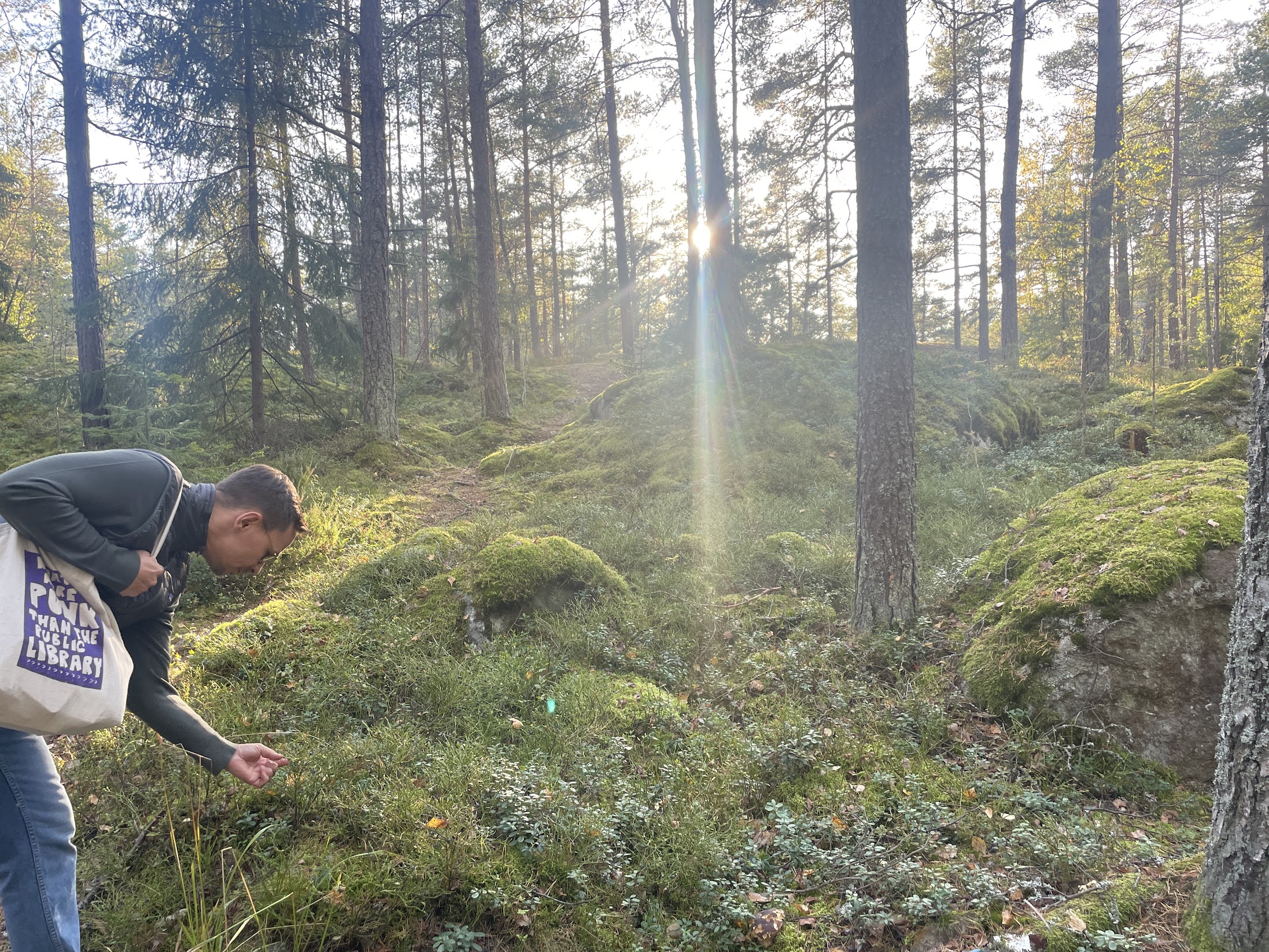
The learning in Helsinki was constant and layered. Each day, expert talks and inspiring site visits led by government leaders, researchers, and innovators were woven together with quieter moments of reflection and conversation with fellow travelers. Together, these experiences reshaped my understanding of what resilience can look like when it is intentionally designed for.
Any lingering notion I had of Helsinki as Copenhagen’s sibling quickly fell apart. At best, they might be distant cousins. Finnish systems and culture have been deeply shaped by history and by the ongoing existential threat posed by their next-door neighbor, Russia. Time and again, Finland has been forced to make strategic choices about how to remain strong. Again and again, they chose to invest in taking care of one another.
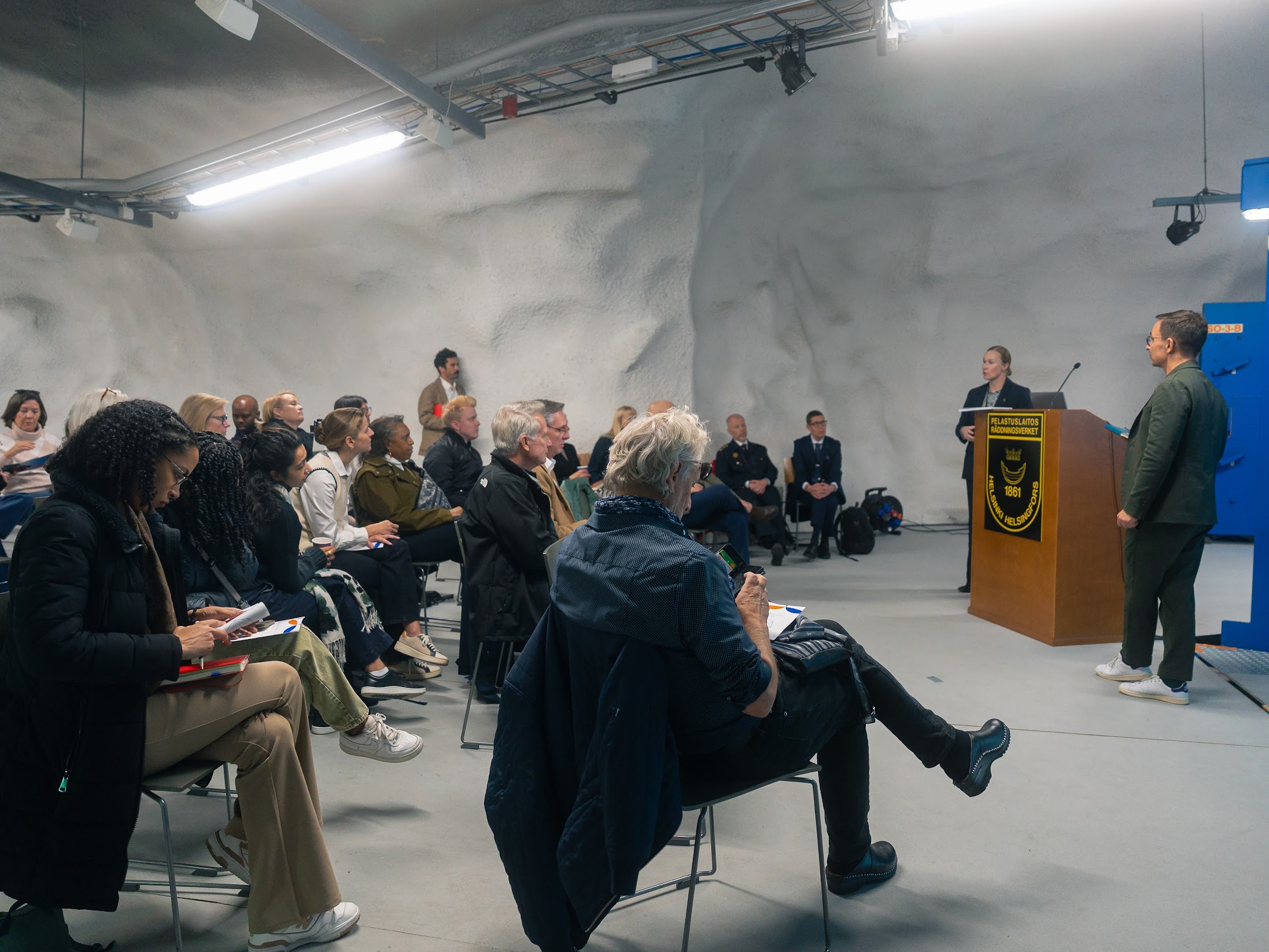
As we toured Helsinki, you could feel the consequences of those choices—from high-quality education to generous public spaces that support daily life. Nowhere was this clearer than in Helsinki’s network of bunkers. Initially designed for defense in times of crisis, these spaces have been reimagined for everyday use: swimming pools, playgrounds, sports fields, even nightclubs. Yes, they are needed for serious and practical reasons—but why let them sit empty until they are needed? As we heard from the Ministry of Defense while sitting inside one of these bunkers, mental health is understood as a strategic form of national defense, and easy access to spaces for recreation and culture is part of that strategy. Caring for people upstream of a crisis is not a feel-good luxury of a strong-state society—it is a deliberate, strategic choice.
What I saw, heard, and felt in Helsinki was a holistic approach to resilience. Psychological resilience, quality of public services (contributing to national pride), leadership skills, military preparedness, and vibrant public life are treated as equally essential components of a society capable of withstanding turbulence. Here, resilience is not about hardening, but about strengthening the elasticity of the social fabric so it can absorb shock and bounce back.
Having grown up and lived in the United States most of my life, I can’t help but reflect on my deep frustrations with the lack of nimbleness in our institutions—how often systems fail to serve most people, contributing to polarization and a widening distrust in institutions and, unfortunately, in one another.
Understanding the Finnish model offers a lightpost to another way of strengthening social fabric—and makes my inner cynic suspect that in the United States, we are often doubling down on poor design rather than pulling out a clean sheet of paper and imagining another draft.
This trip was not only inspirational in offering a closer look at a society putting democratic values into practice. What made it especially powerful was realizing that bold reimagination is not only happening in Nordic capitals. It is already underway in the United States—in Charlotte and across the country—through the work of the participants on this expedition. Their efforts, across sectors and scales, reflect a shared willingness to critically examine how we do things and reimagine new ways forward, with care at the center.
Much of my learning came not from formal sessions, but from micro-moments of connection—conversations on buses, walks between destinations, and intentional pauses to listen. In these in-between spaces, I came to understand the participants, their perspectives, and the scale of their work, from the deeply personal to the overtly political and was in awe of the network’s collective brilliance.
A bus-ride conversation with Casey Mock revealed how he and his team are making safe technology and the safeguarding of childhood a bipartisan issue—framing care not as ideology, but as shared responsibility. Walking through the city with Setu Raval, I marveled at how she and her colleagues in Charlotte uplift creative communities by treating culture not as an accessory, but as essential social infrastructure. Conversations with Kate Bowler and Katherine Smith—about finding awe in an increasingly secular society through dialogue and deep listening—reaffirmed the importance of staying connected to the sublime.
The Gambrell network is teeming with brilliant movers, shakers, and dreamers working across the many facets required to build a more resilient, joyful, and less individualistic society—from economic mobility to arts and culture, to open-source social and spatial data. I returned to Copenhagen feeling smarter, stronger, and better equipped to do my work because of this community.
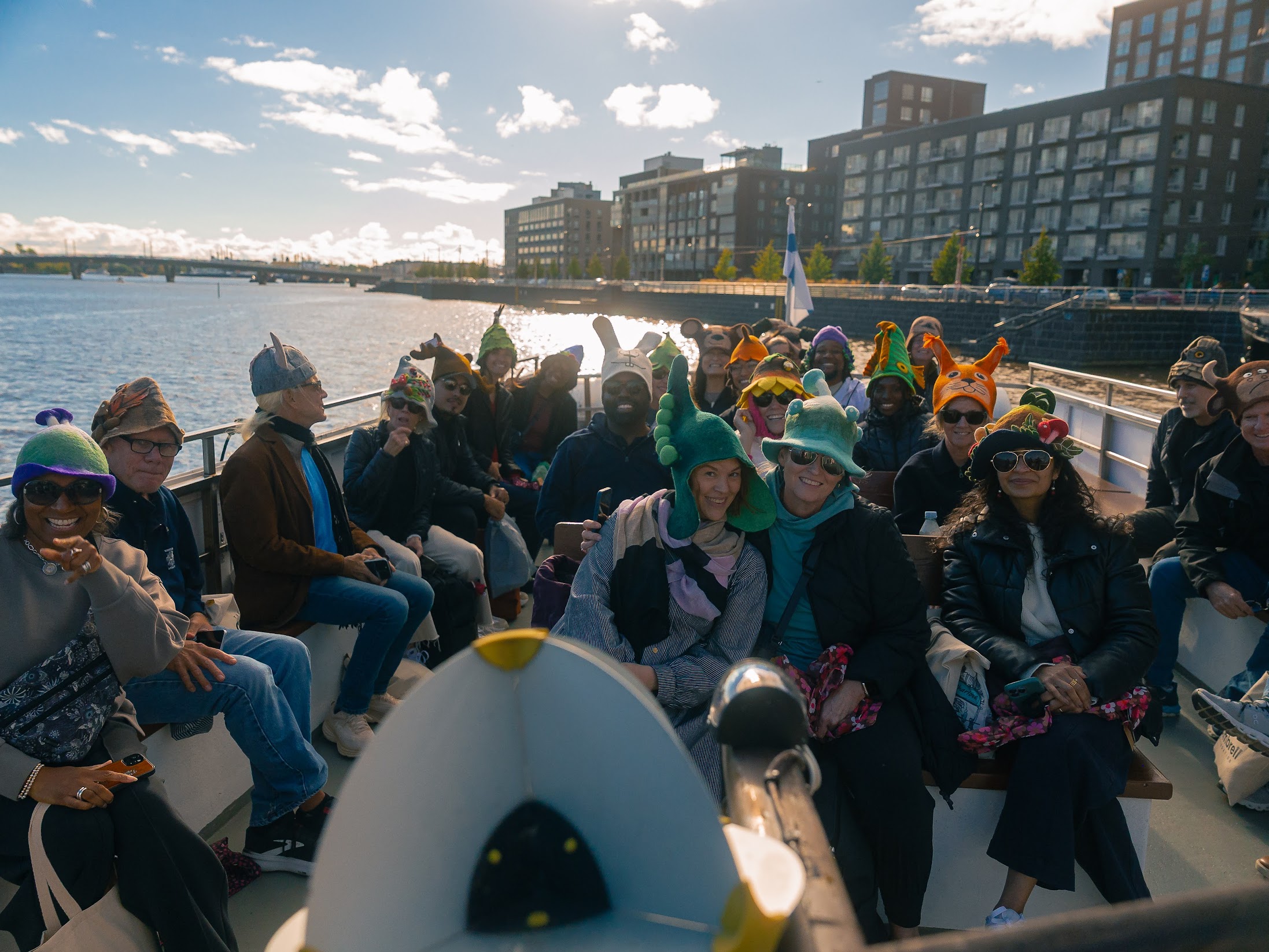
When the group arrived in Copenhagen, my role shifted—from participant to host—alongside my Gehl colleagues. It was a joy to share a city I love deeply with people I now consider friends.
After the intensity of Helsinki, we intentionally shaped our time in Copenhagen around more everyday experiences—making space to connect, process what we had absorbed, and begin translating those insights into something closer to home. Although many of the places we visited were familiar to me, I found myself seeing Copenhagen through new lenses.
Listening to historian and journalist Esben Schørring unpack the origins of the Danish welfare state and the cultural logic that “what was lost externally must be gained internally” gave historical grounding to dynamics I had often felt but not fully understood—particularly around immigration and belonging, one of Denmark’s most contested issues. Hearing feminist economist Emma Holten speak about the steady erosion of the welfare state and the declining value placed on care sharpened my awareness of how fragile even seemingly well-functioning systems can be.
If Helsinki embodied sisu—the gentle strength of persistence—Copenhagen felt like a city actively wrestling with complexity: how to be with one another amid difference, how to care for people without easy consensus, and how to sustain the systems that sustain us. Coming home after Helsinki helped me see my own environment more clearly—not as a finished model, but as an ongoing negotiation.
It was a reminder that Scandinavia is not a monolith, and that meaningful progress doesn’t come from copying solutions wholesale. It comes from staying with the hard work of compromise, collaboration, and care—meeting people where they are, and remaining open to redrawing systems when they no longer fit reality.
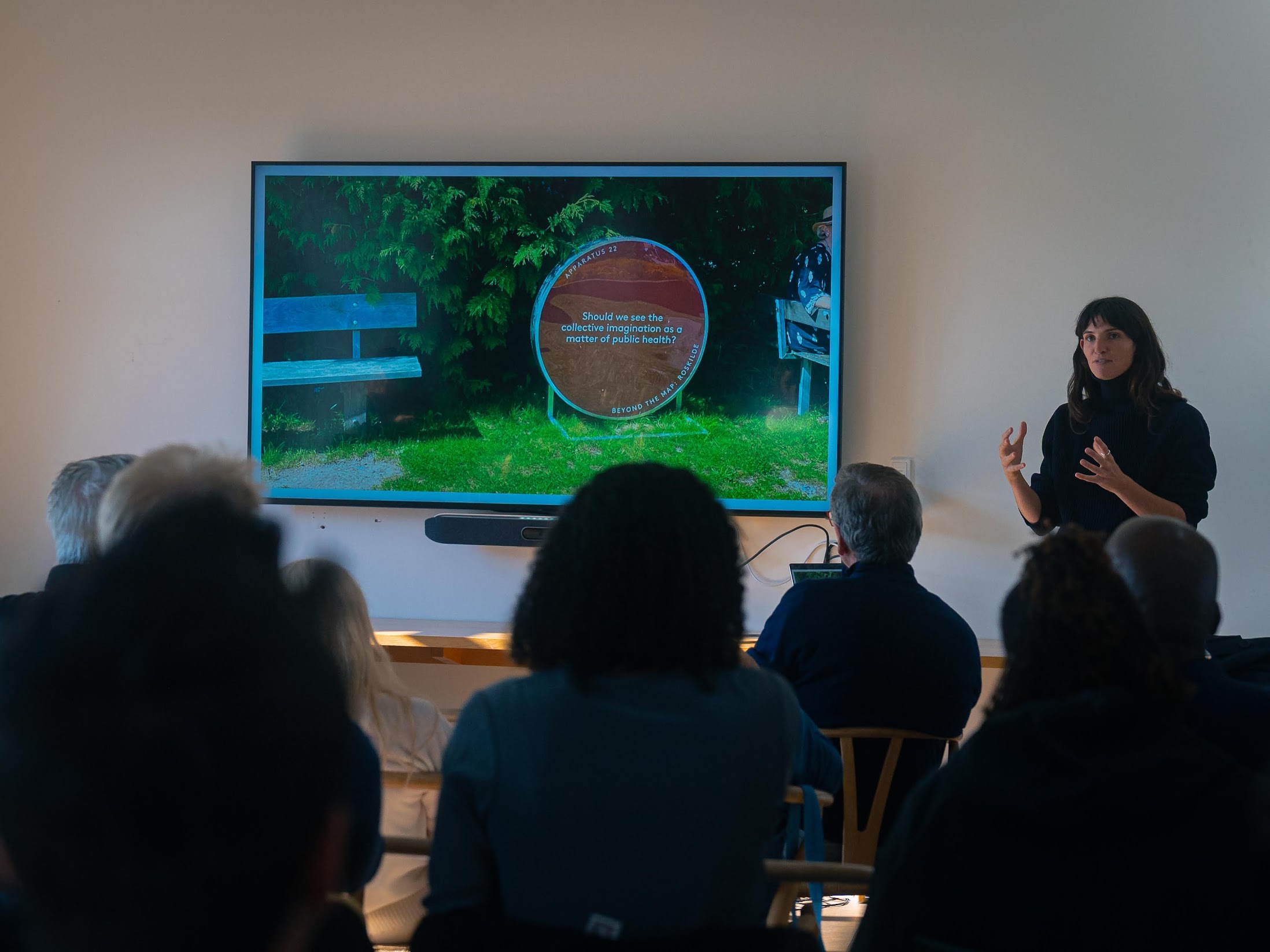
Beyond the talks, site visits, and other formal learning experiences, I left this expedition in awe of the brilliance, diversity, and openness of what I’ve come to fondly think of as the Gambrell Galaxy. The people I’ve come to know through this work are engaging with big, consequential questions—and approaching them with curiosity, nuance, and optimism.
Living abroad as an American, it’s easy to feel inundated with negative narratives about the United States—headline after headline about polarization, extremism, and structural failures to care for one another—especially when contrasted with portrayals of Scandinavian life as seamless and idyllic. Those narratives aren’t entirely wrong, but they are incomplete. This expedition was not only enlightening; it was deeply healing. To witness the nuance required to uphold democratic, care-centered societies—and to do so alongside American doers, policymakers, and community builders—was a powerful reminder of what is possible. This is a group actively working to untangle our messy social fabric, and many are already weaving something new.
Margaret Mead famously said, “Never doubt that a small group of thoughtful, committed citizens can change the world; indeed, it’s the only thing that ever has.” I left this expedition with a renewed belief that the future isn’t shaped by importing perfect models or waiting for sweeping solutions. It is shaped by the choices we make—what we center, what we protect, and who we design our systems to serve.
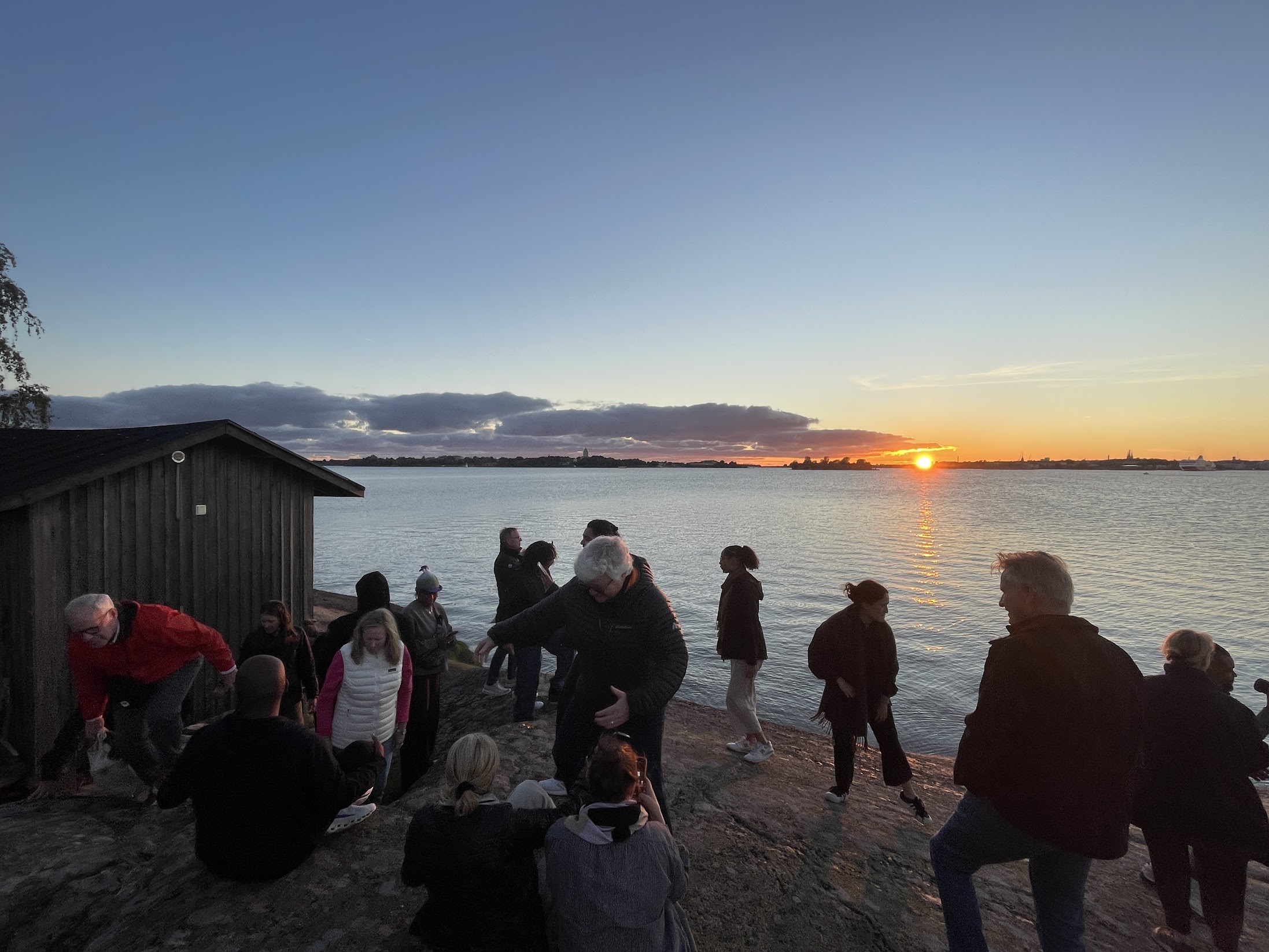
Across Helsinki and Copenhagen, and in conversation with people doing this work every day back home, I was reminded that caring societies are not inevitable outcomes of geography or governance. They are built through countless, often small decisions. While this expedition didn’t offer a single answer, it revealed many possibilities—and reaffirmed that the future remains open, and that each of us has an active role to play in shaping it. The conversations and collaborations have continued well beyond the expedition, and I’m excited for what we’re beginning to build together.