
At The Gambrell Foundation, we’re drawn to ideas worth trying in our mission to help everyone have the opportunity to pursue a great life.
Over the past few years, one lesson has become increasingly clear: ideas don’t go very far on their own. They need bizarrely obsessed people to dream them up. Like plants need sunlight, rain, good soil and nutrients to grow, ideas need people who see the connections: to other ideas, and to people willing to test them, challenge them, build upon them, and sometimes tell you when you might need to go in a new direction! That insight has shaped much of our work this year.
We’ve come to see five things as essential to a great life: awe and wonder, belonging, purpose and contribution, relationships, and an honest reckoning with luck and randomness. These aren’t abstract ideals. They come up again and again as we ask our network—thinkers, practitioners, urban designers, psychologists, youth organizers— a simple question: “What actually helps people live a great life, not in theory, but in practice?”
Belonging isn’t accidental; it’s intentional. Our collaborations this year with thought leaders across psychology, youth development, and civic life—from Jonathan Haidt (“Anxious Generation”, NYU) to Purpose Commons (Anthony Burrow, Cornell), the American Institute for Boys and Men (Richard Reeves), and #HalfTheStory (Larissa May)—all focus on the same challenge: how do we move people from feeling anxious, alienated, and disconnected to cultivating real purpose, connection and meaning in their lives, not as a destination, but as a lifelong quest? The answer keeps pointing back to infrastructure, not interventions and to choices embedded in culture, policy, and public space.
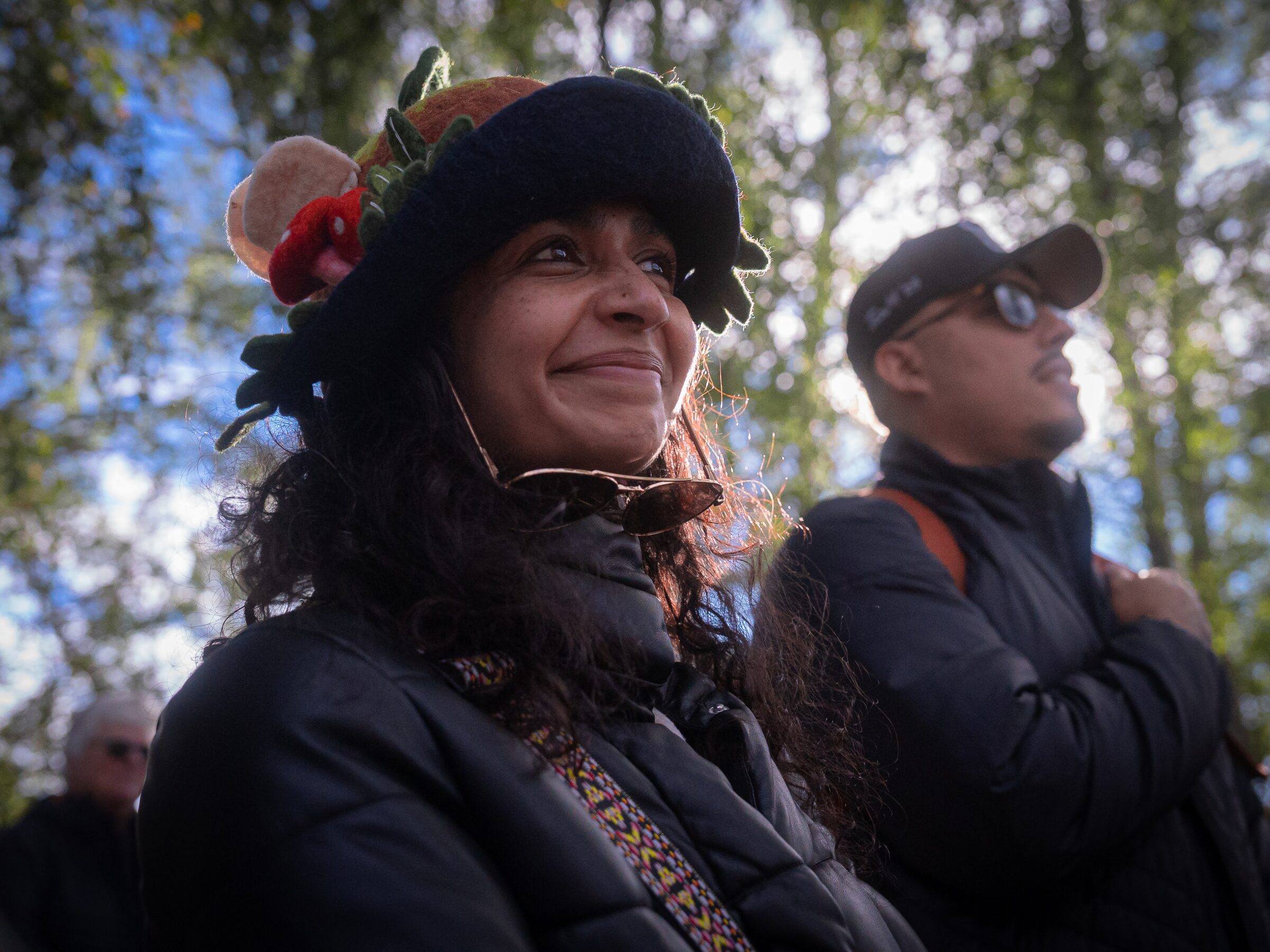
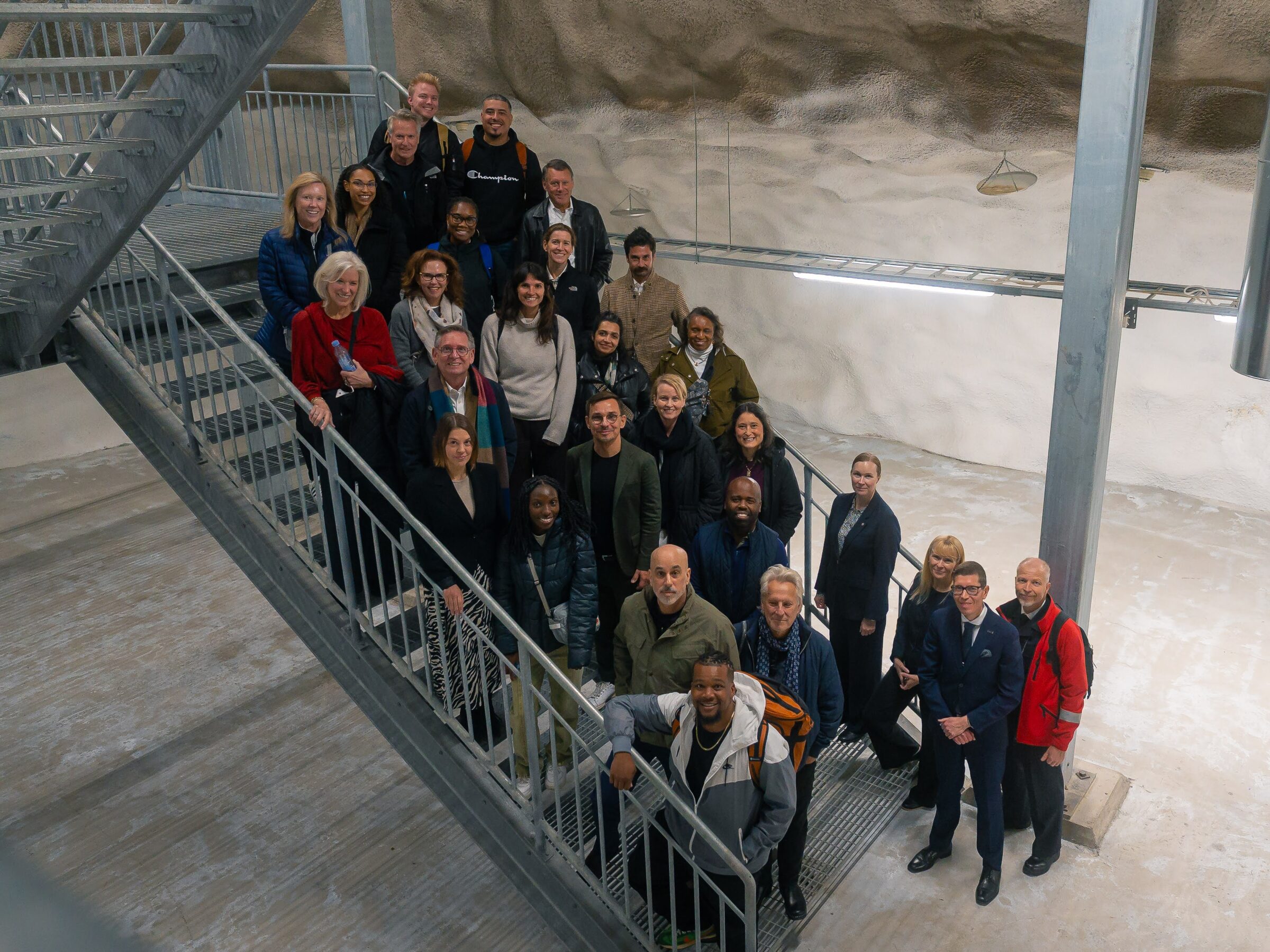
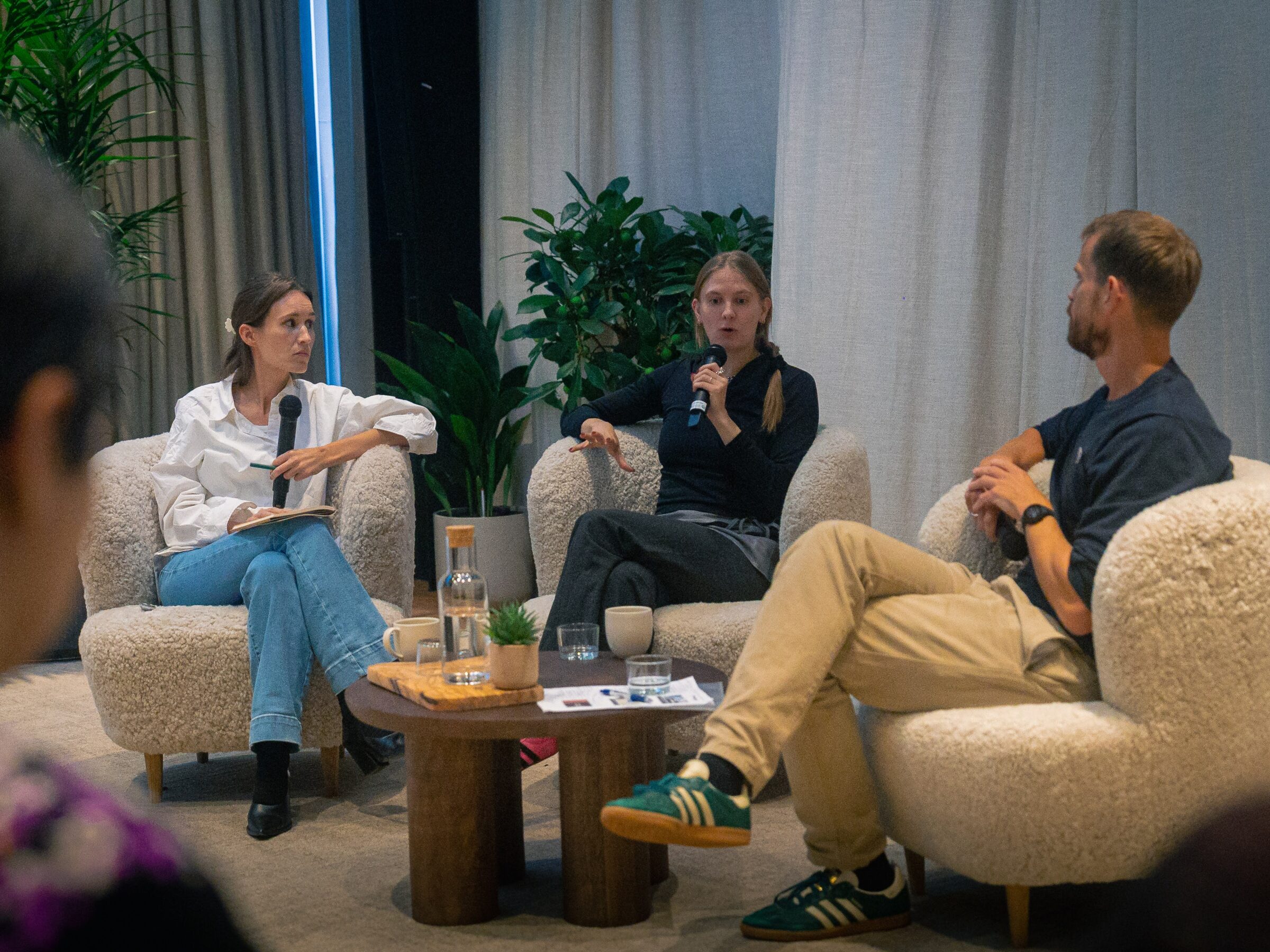
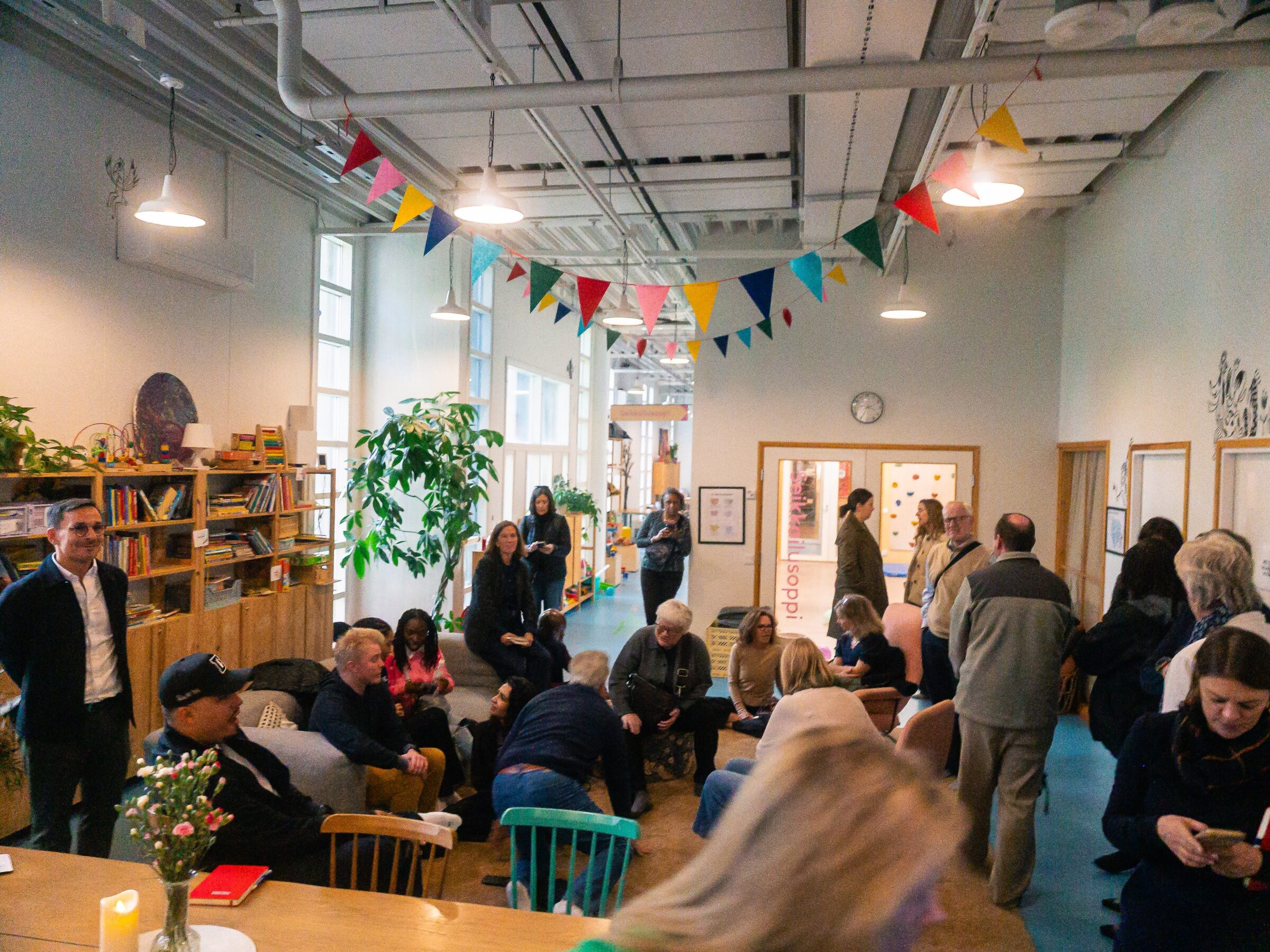
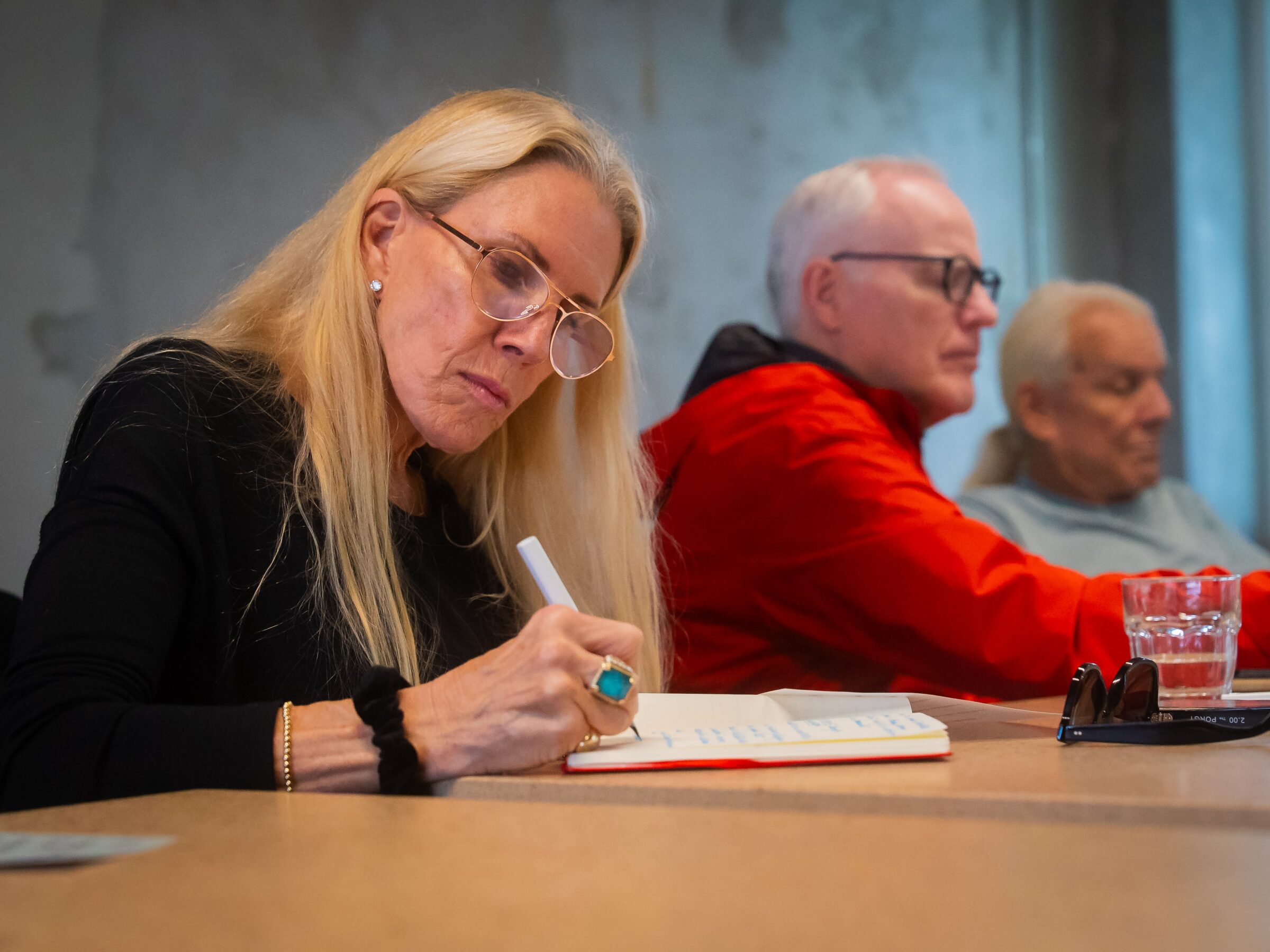
This fall, we returned to Finland, Estonia, and Denmark with our thought partners to study exactly that. What struck us most was not any single program, but the consistency of choices: investments in culture, public space, and young people. These aren’t framed as indulgences; they’re treated as preconditions for social trust, long-term resilience, and the preservation of democracy.
Awe isn’t a luxury; it’s inspiring and stabilizing. We’re encouraged by the collaboration between the brilliant minds at Gehl (Copenhagen) and Dacher Keltner’s (psychology) team at UC Berkeley as together we launched The Cities of Awe Lab. The premise is practical: we need spaces, experiences, and tools that make it easy to take everyday moments and make them extraordinary. The experience of awe in our lives is not only good for our health, but it increases learning, reduces negative emotions, and brings people together. The Lab will facilitate experiments, advocacy, and research to help cities across the globe implement ideas that make neighborhoods more than livable—they make them places people actually want to be. If you’re joining this year’s Aspen Ideas Festival, save your calendar for seeing this work in action.
Purpose isn’t something you find once; it’s something you keep tending. One idea from our June Partner Collaboration convening has stayed with us: hobbies shift the conversation from “what’s wrong with you” to “what matters to you.” For young people especially, creative pursuits aren’t extras—they’re often the on-ramp to agency, identity, and connection. It raised a serious question for Charlotte: what would it look like to treat hobbies, culture, and everyday awe as part of civic infrastructure? We’re beginning to explore what that might mean. Previous expeditions helped spark work to adapt Helsinki’s Culture Kids model for Charlotte. This year’s conversations are seeding new collaborations, though it’s still too early to know which will stick. That uncertainty is part of the work.
Relationships and moral courage matter, especially in moments of uncertainty. We finished the year in the front row to hear our grant partner, Rutger Bregman, headline the BBC’s 2025 Reith Lectures. His call for all of us to live a life of moral ambition will come to life in US colleges and universities through the School of Moral Ambition. We are helping Rutger expand the work from Europe to the US, beginning at Harvard (and then spreading across the country) with a new fellowship for emerging leaders across disciplines. The program seeks to answer a simple but powerful question: In your one precious and all too short life, what do you want your life’s efforts to stand for?
The response to the Moral Ambition movement has been overwhelming and the work is speaking deeply to young people. Since its inception just a few years ago, Rutger’s efforts have drawn 22,000 (and growing) Moral Ambition members from more than 130 countries. At Harvard, 8% of the entire Junior class applied for 12 fellowship positions! Additionally, Princeton and Yale spontaneously started chapters of their own. Young people are hungry for this. They want frameworks that take meaning and purpose seriously, not as therapy but as the foundation for how you show up in the world, personally and professionally.
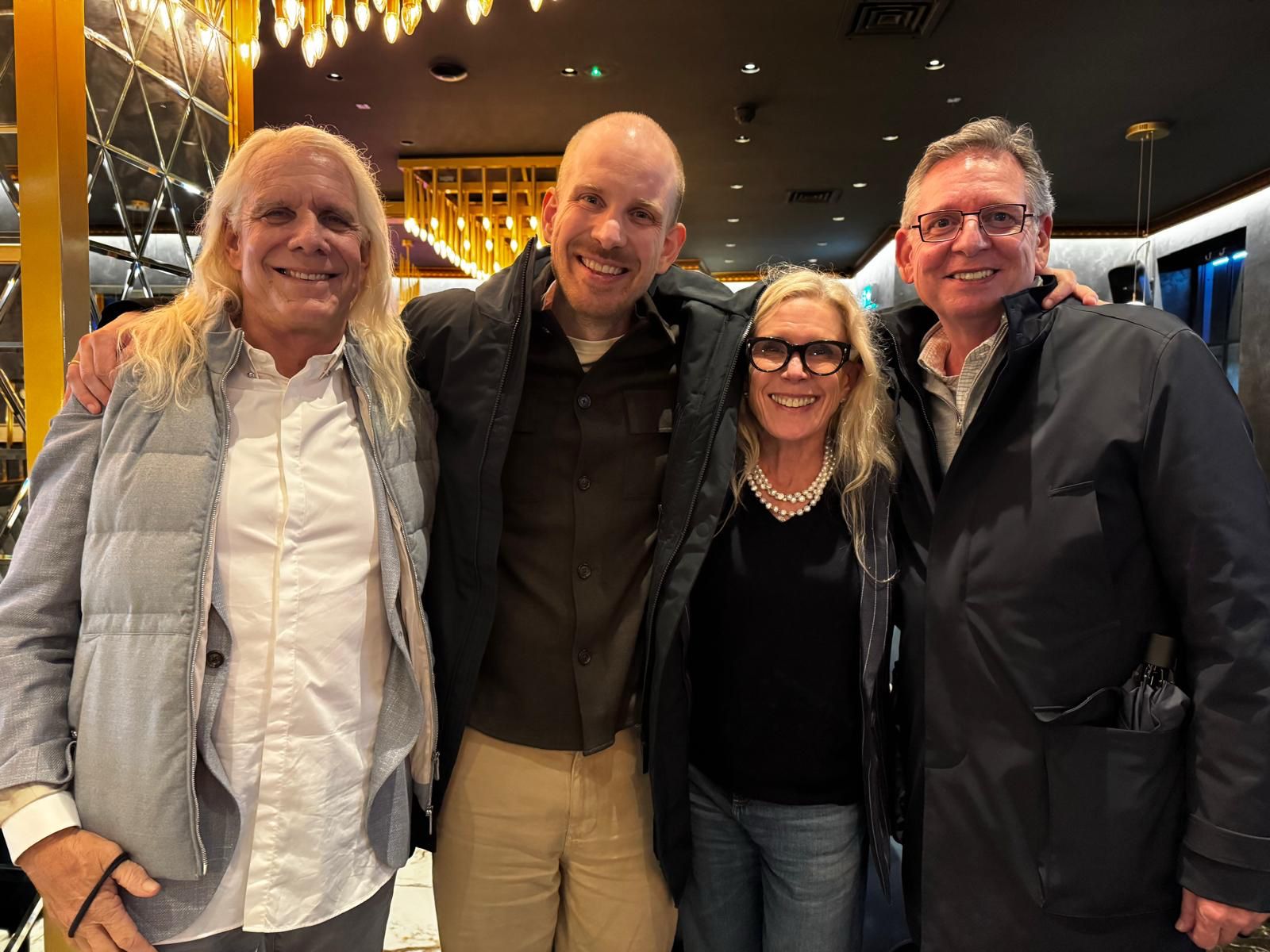
And finally, luck and randomness. We’ve learned that creating conditions matters more than controlling outcomes; not every idea will work; some will take years to mature; and few will fail outright. But we’re convinced that creating the conditions for connection, curiosity, and moral ambition—while leaving room for luck and randomness—is one of the most practical things philanthropy can do right now. In the year ahead, we’ll continue to prioritize ideas that take time, demand collaboration, and challenge easy narratives about what progress looks like.
The Gambrell Foundation will continue to invest in bringing people together, because cross-pollination works. We’re grateful to be doing this work alongside people willing to question assumptions, resist easy answers, and try things that might just make a difference.
We wish you the very best for a joyous holiday season and look forward to working together in the new year.